Texas Holdem Hand Rankings: A Practical Guide for Aussie Players
Knowing texas holdem hand rankings before you sit down at a real table or join an online lobby can save you a fair bit of heartache. We’ve pulled together a clear breakdown of every hand, how they stack up, and what to watch for when the action heats up. If you are after a quick way to compare operator features while you study the cards, https://spinsamuraibonus.net/au covers the usual sign-up promos and payment options across Aussie-facing platforms.
Focus on Hand Strength and Table Position
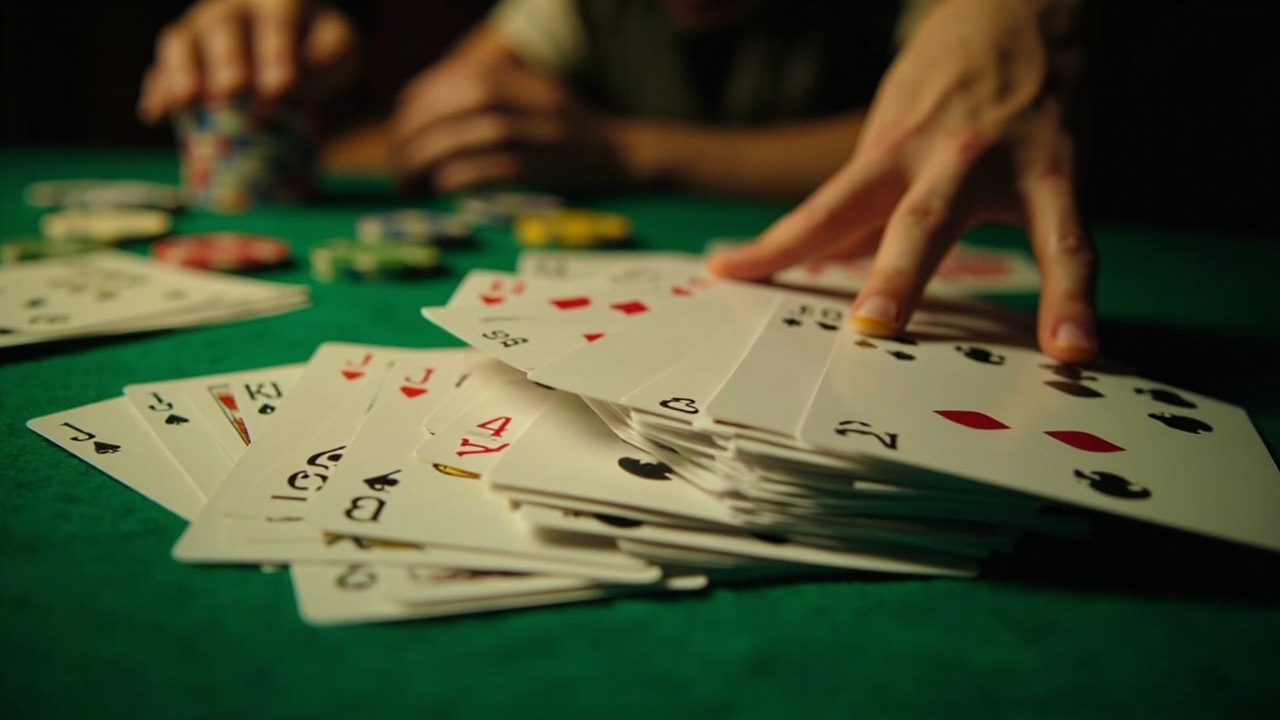
Hand strength in Texas Holdem is not just about what you are holding in your hole cards – it is about how those cards interact with the community board and where you are sitting relative to the dealer button. The rankings run from highest card all the way up to a royal flush, and the gap between a top pair and a weak kicker can decide a whole session. Position matters just as much, because acting last lets you read the board and the opponents’ betting patterns before you commit chips. When you understand both the hierarchy and your seat at the table, you stop guessing and start making calls that actually make sense.
The standard order is straightforward, but the way those hands play out changes depending on the flop texture and the number of players still in the hand. A pair of aces looks strong preflop, yet it can turn into a ticklish spot if the board runs out with three to a straight or flush. Players who rush in without checking the board layout often overcommit, and that is where a calm read of the rankings pays off. We keep the focus tight here: learn the ladder, then learn when to fold it.
| Hand Rank | Example | Notes |
|---|---|---|
| Royal flush | A-K-Q-J-10, same suit | Highest possible hand |
| Straight flush | 9-8-7-6-5, same suit | Beats four of a kind |
| Four of a kind | Four queens | Kicker breaks ties |
| Full house | Three jacks, two tens | Higher trips win |
| Flush | Any five same suit | Ace-high flush tops the list |
| Straight | 7-6-5-4-3, mixed suits | Ace can be low or high |
| Three of a kind | Three deuces | Kicker matters |
| Two pair | King and nine pairs | Higher top pair wins |
| One pair | Pair of aces | Weak kicker is a liability |
| High card | A-9-7-4-2, no pair | Default when nothing hits |
That table covers the full ladder, but the real work starts when you map those hands to how the board runs. A flush might look unbeatable on a wet board, yet a straight draw can sneak in and take the pot if you do not track the suits carefully. Position gives you the extra half-second to weigh those possibilities, and that edge compounds over a long night.
How Rankings Play Out in Real Hands
Reading the Board and Your Hole Cards
The moment the flop lands, your job shifts from counting outs to reading combinations. A top pair with a decent kicker is often enough to extract value, but if the board pairs or brings two suited cards, you need to reassess whether your hand still sits near the top of the rankings. I have watched plenty of sessions where a solid pair gets chased down by a lower full house simply because someone ignored the board texture.
When I was building early non-download gaming setups at Big Time Gaming, we learned the hard way that mechanics only land when they match how people actually play. The same idea applies here: the rankings are fixed, but the way you apply them has to fit the flow of the table. If you are sitting in late position and the action folds to you, you can play a wider range because you get to see what the others do first. That is a practical edge, not a trick.
When Draws and Made Hands Collide
A draw is only promising if you can price it correctly, and that means knowing exactly where your current hand sits on the rankings ladder. An open-ended straight draw and a flush draw both have real potential, but they are still behind a made hand until the river drops the right card. Chloe Young, Independent iGaming Expert at the Pacific Player Protection Institute, puts it plainly: “Hand rankings are fixed, but the real skill is knowing when your draw is still behind and when you have enough equity to keep calling.” That caveat matters because overplaying a draw is one of the fastest ways to bleed chips.
The collision between draws and made hands gets messier when multiple players stay in, because someone is likely holding a piece of the board. A pair of tens on a 9-8-7 flop might feel comfortable, but two opponents betting aggressively could easily hold a straight or a higher pair. You do not need to put them on a exact hand – just narrow the range and weigh whether your hand still ranks high enough to justify a call.
Matching Hand Knowledge to Player Needs
Players who actually want to improve at Texas Holdem need more than a memorised list; they need a way to apply those rankings under pressure without second-guessing every decision. That means practising with the ladder fresh in your head, then testing it in low-stakes games where the cost of a misread is manageable. The everyday usability comes from repetition: the more often you recognise a weak kicker or a dangerous board, the less likely you are to throw good money after bad.
For Aussie players, the practical fit also depends on what kind of platform you are using and how clear the game lobby is. A tidy interface that shows hand values and lets you review past hands makes the learning curve a lot smoother. Cooper McKenzie, Marketing Director at Boomerang Gaming Insights, notes that “players stick with platforms that make the basics easy to check mid-session, because it cuts down on confusion when the action speeds up.” That kind of usability is what turns a theoretical understanding of texas holdem hand rankings into something you can actually use at the table.
Darwin players often run into the same late-night session grind as anyone else in the country, and the same principles hold: a clear read of the rankings beats a gut feel every time. If you are playing in the arvo or late at night, keeping the ladder top-of-mind helps you stay steady when the table gets busy as a rush-hour train. No worries, the game does not change just because the clock ticks over – your discipline does.
The final piece is knowing when to step back. A strong hand ranking knowledge will tell you when you are beaten, and that is often more valuable than knowing when you are ahead. Players who respect the ladder and their own limits tend to last longer and learn faster, which is the real payoff from studying this properly.
If you are serious about tightening up your game, keep the rankings close, watch the board texture, and use your position to get extra information before you commit. That combination is what separates a casual seat from a steady one, and it is the most reliable edge you can build without chasing luck.