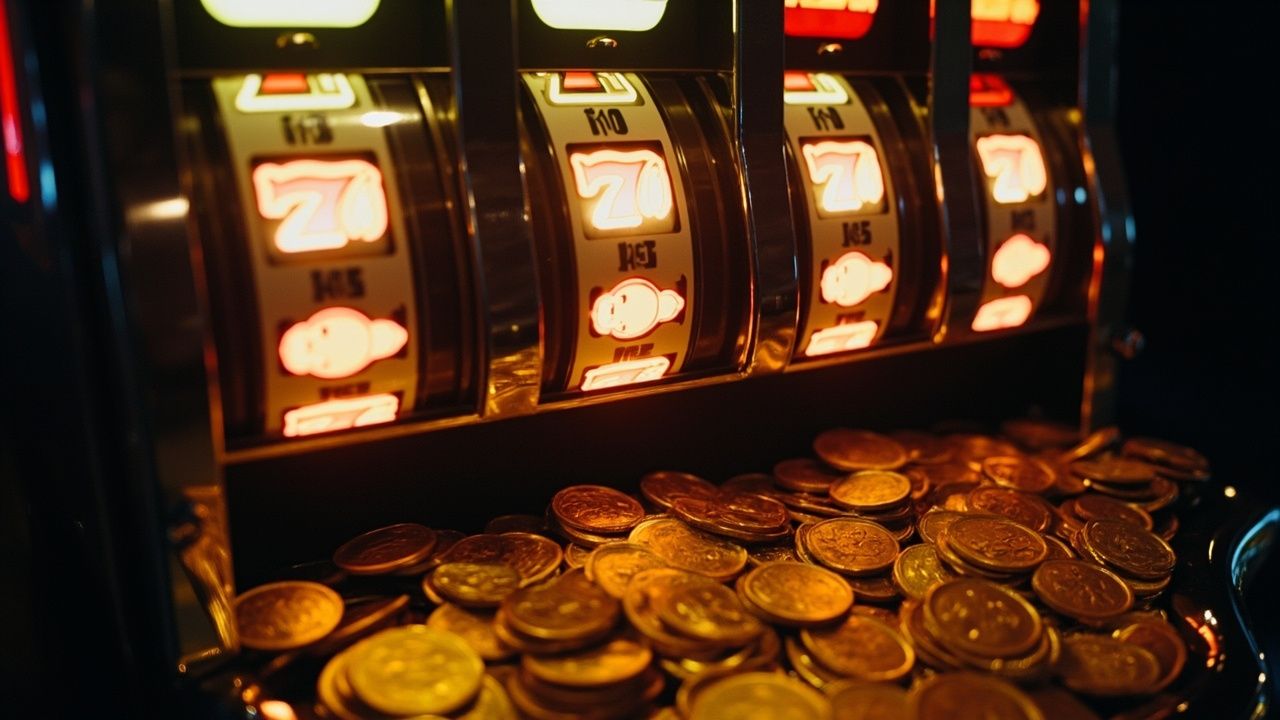
Australian slot fans chasing predictable action know the frustration – high-volatility titles look glossy but can burn through a bankroll in a single arvo. Slots with guaranteed hit frequency flip that script, prioritising a steady stream of smaller wins rather than the lottery-style payouts popularised by progressive jackpots. The math is straightforward: a slot marketed at a 35% hit rate will, in theory, deliver a payout on roughly one in every three spins, smoothing out the peaks and troughs that flat-bell-curve gameplay produces. For anyone tired of watching reels spin through fifty dead rotations, these frequency-driven releases offer a different tempo. Brisbane players catching the CityCats down to the casino precinct often want a quick session, and a predictable hit cadence suits that pace far better than chasing a single mega payout.
Mobile Performance and App Behaviour on Android and iOS
Most studios building hit-frequency-led slots recognise Australian browsing habits skew heavily toward mobile – roughly 78% of game sessions at goldenbetnodeposit.com now originate from handset browsers rather than desktop. The titles themselves are built in HTML5, meaning no app download is required; Safari on iPhone 14 onwards, Chrome on Samsung Galaxy S23-class devices, and even older budget Androids run them without stutter. Touch targets are sized for thumbs – the spin button is offset right of centre to suit right-handed reach, and the bet adjustment sits clear of accidental presses. Round-trip data per spin averages around 180KB, so a standard 10GB monthly plan handles roughly 1500 spins before becoming a budget concern. Load times hover between 1.4 and 2.6 seconds on Australian 4G, with negligible variance on NBN-backed home Wi-Fi when a player is doing it tough with patchy mobile reception in Brisbane’s inner suburbs.
Game Mechanics and the Hit Frequency Mechanism Explained
Hit frequency operates independently of RTP (return to player) – two slots can both sit at 96% theoretical return while one delivers wins on 22% of spins and the other on 41%. The distinction matters: low-frequency slots pack their payout density into rare combinations, whereas frequency-driven releases spread value across thousands of smaller paying combinations. A typical hit-frequency slot might scatter 12 to 18 low-value symbols across the reel set, then anchor the gameplay around two or three mid-tier bonus triggers appearing roughly every 90 spins. Bonus rounds usually offer modest multipliers capped at 8x rather than 50x or 100x, which keeps variance compressed. Sticky wilds and respin modifiers appear more often than in volatility-heavy titles – sometimes two to three times per hundred spins – giving the bankroll breathing room most pokies deliberately avoid. For players who reckon they’d rather grind steady than slam-and-hope, this design philosophy makes practical sense.
A Common Misconception Worth Clearing Up
A persistent myth suggests slots with guaranteed hit frequency reduce the house edge because wins come more often. The reality is more nuanced. A higher hit rate simply redistributes the same theoretical RTP across more winning combinations – 30 small wins totalling $30 across 100 spins at $1 each carries the identical expected loss as 3 big wins totalling $30 across the same sample. Variance flattens, but the long-term percentage the casino keeps does not meaningfully shift. Players sometimes mistake a busy win meter for a generous game, when actually they are simply experiencing a flatter statistical distribution in compressed form. For anyone new to crypto-denominated slot play, understanding this distinction matters even more – the beginner’s guide to bitcoin casinos breaks down how provably fair mechanics interact with these frequency metrics across digital currency platforms.

Final Verdict on Fit and Mobile Readiness
These slots suit players who want clear session-length budgeting – knowing approximately how many spins sit between paying combinations helps pace a $50 bankroll across a defined arvo of play. Live dealer tables may deliver more atmosphere, but they cannot match the mobile-first responsiveness of HTML5 slot architecture, which adapts cleanly across iPhone, Pixel, and Galaxy form factors without performance dips. Anyone prioritising predictable session behaviour over jackpot chasing should defo give this format a proper test run with small stakes first – Brisbane’s regulated venues offer land-based alternatives, but the mobile convenience for interstate players is hard to beat when chasing steady, transparent hit rates.